
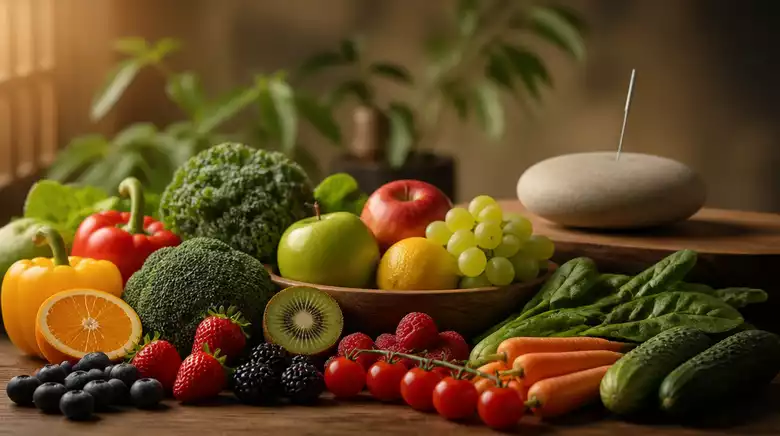
Seasonal Diet Tips with Acupuncture
In a world where wellness is often approached through quick fixes, the ancient wisdom of Traditional Chinese Medicine reminds us that our food choices are integral to our overall health. By connecting our diets with the seasons, we not only nourish our bodies but also align ourselves with nature's rhythms.
What You Will Learn
- Seasonal Eating Principles: Understanding how food choices based on the season can enhance physical, emotional, and spiritual well-being.
- The Role of Qi: Recognizing the importance of Qi in maintaining health and how seasonal foods can support this vital energy.
- Yin and Yang Foods: Learning to balance cooling and warming foods in your diet for optimal health.
- Personalized Nutrition: Emphasizing the need for individualized dietary choices based on personal health needs and seasonal changes.
- Detoxification Opportunities: Identifying seasonal foods that can aid in detoxification and cleansing processes.
- Mindful Eating Practices: Cultivating a deeper relationship with food by embracing mindfulness and seasonal awareness.
- Community Connection: The value of sharing your seasonal eating journey with others to foster a supportive health community.
- Professional Guidance: Seeking expert advice for personalized TCM insights to enhance your seasonal eating habits.
Seasonal Eating and Its Importance in TCM
This visual summarizes the seasonal foods recommended by Traditional Chinese Medicine (TCM) and their benefits for maintaining Qi balance throughout the year. For additional Traditional Chinese Medicine tips, explore our comprehensive guide.
Spring Foods
- Greens
- Sprouts
- Light proteins
These foods support cleansing and prepare the body for warmer months.
Summer Foods
- Fresh fruits
- Salads
- Hydrating vegetables
These foods keep the body hydrated and refreshed.
Autumn Foods
- Root vegetables
- Squashes
- Warming spices
These foods support digestion and immune function as it gets cooler.
Winter Foods
- Hearty grains
- Soups
- Warming teas
These foods provide warmth and sustain energy levels during cold months.
Understanding the Connection Between Seasonal Eating and Acupuncture Principles
The journey toward holistic health often begins with the food we eat. At Meridian Path Insights, I believe that understanding how our diets can align with the principles of Traditional Chinese Medicine (TCM) is essential for achieving balance and well-being. Seasonal eating is not just about enjoying fresh fruits and vegetables; it's about connecting with the rhythms of nature and recognizing how these patterns can enhance our health through the practice of acupuncture.
TCM emphasizes the importance of Qi, or life energy, which flows through our bodies. The foods we consume can either support or disrupt this flow. By embracing seasonal eating, we can nurture our Qi with the right foods at the right time, enhancing our overall vitality. Let's explore how TCM influences our dietary practices, starting with the fundamental concept of Qi and its significance in our diets.
Defining the Role of Traditional Chinese Medicine (TCM) in Dietary Practices
In TCM, food is viewed as medicine, and each season brings its own unique set of dietary recommendations. This perspective allows us to tailor our food choices in a way that supports not only our physical health but also our emotional and spiritual well-being. By understanding the role of TCM in dietary practices, we can make informed decisions that enhance our health, particularly when considering seasonal wellness with Chinese medicine.
Here are some key principles of TCM that influence dietary practices:
- Balance: Focus on achieving harmony between the body's different energies.
- Seasonal Awareness: Eating foods that are in season promotes optimal health.
- Food Energetics: Understanding warming vs. cooling foods helps align our diets with our body's needs.
What Is Qi and Its Importance in Seasonal Diets?
Qi is the vital energy that flows through all living things. In TCM, maintaining a balanced Qi is crucial for good health. As seasons change, so too do our Qi needs. For example, during the colder months, our bodies require warming foods to sustain our energy and vitality. In contrast, summer calls for lighter, cooling options that refresh and hydrate us.
To support your Qi through seasonal eating, consider incorporating foods that resonate with the current season. Here are some seasonal food suggestions:
- Spring: Greens, sprouts, and light proteins.
- Summer: Fresh fruits, salads, and hydrating vegetables.
- Autumn: Root vegetables, squashes, and warming spices.
- Winter: Hearty grains, soups, and warming teas.
The Concept of Yin and Yang in Food Choices
Yin and Yang is a fundamental concept in TCM that describes the balance of opposing forces. In terms of food, Yin represents cooling, moistening foods, while Yang symbolizes warming, energizing foods. A balanced diet includes both Yin and Yang elements, allowing our bodies to thrive.
When choosing your meals, consider the Yin and Yang qualities of each food. A simple approach is to pair Yin foods with Yang foods, creating harmony in your meals. Here are examples of Yin and Yang foods:
- Yin Foods: Cucumbers, tofu, watermelon.
- Yang Foods: Ginger, garlic, lamb.
Exploring Seasonal Foods Through TCM Framework
As we delve deeper into seasonal eating, it’s essential to explore the specific foods that nourish us according to the changing seasons. By understanding what to eat during each season, we can enhance our Qi flow and align with nature's rhythms. This connection not only supports our physical health but also enriches our emotional well-being.
Let’s break down the seasonal essentials based on TCM guidelines, beginning with the fresh and vibrant offerings of spring.
Spring Essentials: Light and Nourishing Foods
Spring is a time for renewal, making it the perfect season to focus on light and nourishing foods. Seasonal foods such as leafy greens, sprouts, and young vegetables are ideal for cleansing the body after winter. They promote the flow of Qi and prepare us for the warmer months ahead. For a deeper dive into balancing your energy, explore balancing energy through seasons.
Consider adding these spring foods to your meals:
- Asparagus
- Radishes
- Peas
- Fresh herbs like mint and basil
Summer Selections: Cooling and Hydrating Options
As the temperature rises, our diets should shift towards cooling and hydrating foods. Summer is the perfect time for fruits and vegetables high in water content, helping us stay refreshed and energized. Incorporate foods that support hydration and balance heat, such as cucumbers and melons.
Try including these summer favorites:
- Watermelon
- Cucumbers
- Tomatoes
- Mint leaves
Autumn Nourishment: Warming and Moistening Foods
As we transition into autumn, it’s time to focus on warming and moistening foods that prepare our bodies for the cooler months. Root vegetables and warming spices become essential in supporting digestion and building immunity.
Consider these nourishing autumn foods:
- Sweet potatoes
- Carrots
- Squash
- Cinnamon and nutmeg
Winter Comfort: Hearty Soups and Root Vegetables
Winter calls for hearty and warming foods that sustain our energy levels. Soups made from root vegetables and legumes provide nourishment while keeping us cozy. Foods that are rich in protein and fats are also beneficial during this season.
Here are some comforting winter food ideas:
- Potatoes
- Parsnips
- Lentils
- Bone broth
Local Produce: Emphasizing Freshness in Seasonal Eating
At Meridian Path Insights, I believe that supporting local farmers and enjoying fresh produce enhances not only our diets but also our communities. Eating locally sourced foods reduces the carbon footprint and provides us with the freshest options available. Plus, seasonal produce is often more nutrient-dense!
Make it a habit to connect with local farmers' markets or community-supported agriculture (CSA) programs to ensure your meals are filled with the best offerings each season has to share.
Quick Summary
Here's a brief recap of the key points discussed so far:
- TCM Principles: Emphasizing balance, seasonal awareness, and food energetics in dietary practices.
- Seasonal Foods: Different foods resonate with each season to support Qi and overall health.
- Personalization: Tailoring dietary choices to individual needs enhances health and well-being.
Summarizing the Benefits of Seasonal Eating Aligned with Acupuncture
As we explore the beautiful dance between seasonal eating and acupuncture, it's important to reflect on how these two elements can support our overall well-being. A balanced diet not only nourishes our bodies but also plays a crucial role in maintaining our Qi—the vital energy that flows through us. When we align our food choices with the seasons, we can optimize our health, foster vitality, and create a harmonious lifestyle.
Incorporating the principles of Traditional Chinese Medicine (TCM) into our eating habits encourages a personalized approach to nutrition. Everyone's body responds differently to foods based on their individual needs, and this is where the magic of TCM truly shines! By embracing a flexible and thoughtful dietary strategy that reflects seasonal changes, we can enhance our energy, digestion, and emotional balance.
Reinforcing the Importance of a Balanced Diet for Qi Support
Understanding the impact of a balanced diet is key to supporting our Qi. Foods play a significant role in how we feel, both physically and emotionally, throughout the seasons. When we consume foods that align with the energy of each season, we can create a more vibrant state of health.
Here are some key benefits of seasonal eating that I want to share with you:
- Improved energy levels, as seasonal foods can boost your vitality.
- Enhanced digestion, thanks to foods that are easier on your system.
- Emotional stability, by eating nourishing foods that support your mental well-being.
- Connection to nature, which encourages mindfulness and gratitude for what the earth provides.
Emphasizing Personalization in Dietary Choices
Personalization is at the heart of TCM. Each person has unique needs, and understanding these can help tailor dietary choices to better support your health. Factors such as age, lifestyle, and individual health conditions influence what foods will best nourish you. By paying attention to how different foods make you feel, you can cultivate a more responsive approach to your diet.
For instance, consider keeping a food journal to reflect on your energy levels and emotions after meals. This simple practice can illuminate patterns and guide you toward more beneficial food choices. Remember, it’s all about creating a routine that feels right for you!
Detoxification and Its Role in Seasonal Health
Each season provides an opportunity for detoxification and cleansing. By focusing on seasonal foods that support these natural processes, we can help our bodies eliminate toxins effectively. Think of spring as a time for rejuvenation with fresh greens and light foods, while autumn calls for heartier options to prepare for winter. For more on this, check out our guide on spring detox with TCM strategies.
Here’s a simple list of seasonal foods that can aid detoxification:
- Spring: Dandelion greens, asparagus, and peas.
- Summer: Watermelon, cucumbers, and berries.
- Autumn: Apples, squash, and root vegetables.
- Winter: Garlic, ginger, and warming spices like cinnamon.
Encouraging Ongoing Practice: Maintaining Seasonal Nutrition
As we journey together in exploring seasonal eating, it’s essential to commit to a practice that evolves throughout the year. Embracing mindful eating allows us to fully appreciate the connection between our food, the seasons, and our health. This ongoing practice cultivates a deeper relationship with our bodies and the nourishment we provide them.
Consider creating a seasonal eating calendar that highlights the foods available in your local area. This can serve as a helpful reminder to switch up your meals and keep things fresh and exciting! As you explore the bounty of each season, don’t forget to savor the flavors and enjoy the process.
Next Steps: Incorporating Acupuncture and TCM into Your Daily Routine
Integrating acupuncture and TCM principles into your everyday life can significantly enhance your seasonal eating journey. Consider scheduling regular acupuncture sessions to align your energy and support your body as you make dietary changes. These sessions provide a space for reflection and recalibration, guiding you toward optimal health.
Additionally, nourishing your body with herbal remedies and natural supplements can complement your seasonal diet. I encourage you to explore options that resonate with you and align with your health goals. Together, we can create a path toward a more vibrant, balanced life!
Frequently Asked Questions about Seasonal Eating and TCM
In TCM, seasonal eating involves consuming foods that are naturally available and in season, aligning dietary choices with the changing rhythms of nature. This practice is believed to support the body's vital energy (Qi) and overall well-being throughout the year.
Qi is the life energy that flows through our bodies. Seasonal diets in TCM are designed to support and balance this Qi. For example, warming foods are recommended in winter to sustain energy, while cooling foods are suggested in summer to hydrate and refresh, aligning food energetics with seasonal needs.
Yin and Yang are opposing, complementary forces in TCM. Yin foods are generally cooling and moistening (e.g., cucumbers, watermelon), while Yang foods are warming and energizing (e.g., ginger, garlic). A balanced diet incorporates both to maintain harmony in the body.
Personalization in TCM means tailoring your diet to your unique needs, considering factors like age, lifestyle, and health conditions. Observing how different foods affect your energy and emotions (perhaps by keeping a food journal) can help you create a dietary routine that feels right for you.
Each season offers natural opportunities for detoxification. By eating seasonal foods that support the body's cleansing processes, you can help eliminate toxins effectively. For example, light greens in spring aid rejuvenation, while hearty foods in autumn prepare the body for winter.
Connecting with Community and Resources
Encouragement to Share Your Seasonal Eating Journey
As you embark on your seasonal eating journey, I invite you to connect with our community at Meridian Path Insights. Sharing your experiences, successes, and challenges can inspire others to embrace the transformative power of TCM and seasonal eating. Each of our stories enriches this collective journey toward well-being!
What seasonal recipes have you discovered? Or perhaps you've noticed how certain foods affect your energy levels? Let’s support each other and foster a vibrant dialogue about our health journeys! If you're looking to embrace holistic health changes, our community is a great place to start.
Call to Action: Seeking Professional Guidance for Personalized TCM Advice
For those looking to deepen their understanding of how TCM can enhance their seasonal eating habits, seeking professional guidance is a wonderful next step. Consulting with an acupuncturist can provide tailored dietary insights that fit your unique needs and lifestyle. Remember, you're not alone on this journey!
In addition to dietary advice, exploring herbal supplements and natural remedies can be beneficial. I encourage you to ask questions and gather knowledge about what might work best for you. Together, we can unlock the full potential of seasonal eating and acupuncture for a healthier, more balanced life!
Recap of Key Points
Here is a quick recap of the important points discussed in the article:
- Embrace seasonal eating to enhance your Qi and overall vitality.
- Utilize TCM principles like balance, seasonal awareness, and food energetics to inform your dietary choices.
- Incorporate seasonal foods that resonate with the specific needs of your body during each season.
- Aim for a balance of Yin and Yang foods for optimal nourishment and health.
- Support local farmers and enjoy fresh produce to maximize nutrient density in your diet.
- Personalize your dietary choices based on individual health needs, lifestyle, and seasonal variations.
- Commit to ongoing seasonal nutrition practices, including mindful eating and creating a seasonal eating calendar.
- Consider incorporating acupuncture and herbal remedies to support your seasonal eating journey.