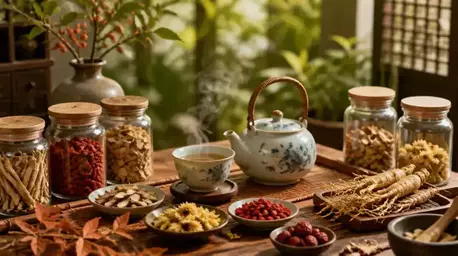
Spring: Revitalizing Your Body After Winter
- - Focus on fresh greens and sprouts to cleanse your system.
- - Avoid heavy, fried foods that can weigh you down.
Have you ever wondered why your energy levels fluctuate with the seasons? It's not just in your head; Traditional Chinese Medicine (TCM) offers profound insights into how to harmonize your life with nature's rhythms. By understanding these seasonal transitions, you can improve your health and well-being throughout the year.
Here’s a quick reference for seasonal wellness strategies highlighting dietary adjustments and self-care practices. To dive deeper into these practices and explore how they align with Traditional Chinese Medicine tips, consider integrating them into your daily routine.
Have you ever noticed how your body feels different with the changing seasons? Understanding these shifts is crucial for maintaining balance in our lives, and that’s where Traditional Chinese Medicine (TCM) steps in! TCM offers a holistic view of health that aligns perfectly with the natural rhythms of our environment, guiding us to adapt our lifestyles as the seasons change.
At Meridian Path Insights, I love exploring these seasonal transitions. TCM teaches us that every season has its own unique energy and characteristics, influencing not just our physical health but also our emotional and spiritual well-being. This ancient wisdom provides valuable insights into how we can nurture ourselves throughout the year.
TCM is centered around the idea that our health is interconnected with nature. The philosophies of TCM encourage us to live in harmony with the environment, adapting our habits based on the changes in the seasons. This approach emphasizes the importance of not just what we eat, but how we relate to the energy present in our surroundings.
By embracing the teachings of TCM, we can better manage our well-being. Each season offers unique opportunities for renewal and healing, allowing us to align our internal energy, or Qi, with the external world. Here are some key aspects of TCM that highlight its role in seasonal wellness, including how to find balance in Qi flow:
At its core, TCM is a comprehensive system that focuses on maintaining health through natural methods. It includes practices such as acupuncture, herbal medicine, and dietary therapy, all grounded in the belief that our bodies are part of a larger ecosystem. The philosophical framework of TCM is rich, emphasizing balance and harmony as essential elements of well-being.
One of the fundamental concepts in TCM is the interplay of Yin and Yang, which represent opposing yet complementary forces. During the changing seasons, these forces help guide us in choosing the right practices and foods to support our health. By understanding and applying these philosophical principles, we can create a lifestyle that honors both our personal needs and the external climate.
In TCM, living in tune with the seasons is not just beneficial—it's essential! Each season influences our bodies and energy in unique ways. For instance, winter is a time for rest and nourishment, while spring invites renewal and growth. By recognizing these seasonal shifts, we can make conscious choices that enhance our health and vitality.
Here are some practices that reflect the importance of seasonal living in TCM:
When exploring TCM, understanding Qi is fundamental. Qi is the vital energy that flows through our bodies, influencing our health and well-being. Seasonal changes can affect this energy, which means we must be mindful of how we nurture it throughout the year.
Another essential concept in TCM is the balance of Yin and Yang. This interplay shapes our health and vitality. Through seasonal practices, we can learn to harmonize these energies to promote wellness. By embracing the Five Elements Theory—Wood, Fire, Earth, Metal, and Water—we can further align our lifestyles with nature's rhythm.
Qi is often described as the life force that sustains us. In TCM, it’s believed that when Qi flows freely, we experience good health. However, seasonal transitions can disrupt this flow, making it essential to engage in practices that support and enhance our Qi. Simple actions, like mindful breathing or gentle stretching, can help restore balance and vitality.
Here are some ways to cultivate and support your Qi during seasonal transitions:
In our daily lives, we often encounter situations that tip the balance of Yin and Yang. For instance, winter may bring about a natural inclination toward rest and introspection (Yin), while summer encourages activity and social interaction (Yang). By recognizing these seasonal tendencies, we can incorporate practices that promote a balanced lifestyle. Learning about finding balance with Yin and Yang can further deepen your understanding.
To achieve this balance, consider the following:
The Five Elements Theory is a fascinating framework that deepens our understanding of seasonal transitions. Each element corresponds to a season, influencing our health, emotions, and environment. For instance, spring aligns with Wood, symbolizing growth and renewal, while autumn corresponds with Metal, representing reflection and letting go.
To harness the power of the Five Elements Theory, I invite you to explore seasonal practices that resonate with each element. Here are some ideas:
As we embrace the wisdom of TCM, we can cultivate a deeper connection to our bodies and the seasons, guiding us toward a balanced and harmonious life. At Meridian Path Insights, I’m excited to share more insights on how TCM can empower you in your wellness journey!
Did you know? Adapting your self-care routine to align with the seasons can significantly enhance your overall well-being. For instance, during the spring, incorporate more fresh, green foods into your diet to support detoxification, while focusing on grounding, warming meals in the winter to nurture your body. Make seasonal self-care a priority and watch how it transforms your health!
As the seasons change, so should our approach to wellness. At Meridian Path Insights, I believe that understanding the rhythm of nature can profoundly impact our health. By embracing seasonal transitions, we can align our diets, activities, and self-care practices with the natural world, fostering greater balance and vitality.
Let’s explore strategies to harmonize with each season. This guide offers insights on what to eat, what to avoid, and how to adapt your lifestyle to ensure you thrive all year round. Each season brings its unique qualities, and by tuning into these, we can enhance our well-being.
Every season presents an opportunity to refresh our practices and nourish our bodies in a way that aligns with the changing environment. Here’s a quick reference for each season:
It’s vital to support our immune systems throughout the year. Here are a few techniques you can integrate into your seasonal wellness routine:
Self-care is not just a trend; it’s a vital practice that enhances our overall well-being. By engaging with your seasonal self-care journey, you can create a nurturing environment for yourself. Let’s take a look at how to make this journey effective and enjoyable!
Many of you may wonder how to tailor TCM practices for your individual needs. Here are some common inquiries:
To simplify your seasonal transitions, I encourage you to make use of visual frameworks that can guide your practices. Here are some ideas:
In conclusion, embracing the wisdom of TCM can guide us through the seasons with grace and harmony. By understanding the importance of seasonal changes, we can maintain our health and well-being all year round.
As we navigate these transitions, remember to check in with your body and listen to its needs. At Meridian Path Insights, I’m here to support you on your journey toward holistic health, empowering you to embrace each season fully! Consider exploring seasonal self-care with acupuncture for additional support.
Here is a quick recap of the important points discussed in the article:
Lydia Chen is a dedicated advocate for holistic health, specializing in acupuncture and Traditional Chinese Medicine (TCM). With years of experience in guiding individuals toward balanced living, she shares valuable insights and practical tips to empower your health journey. Lydia's mission is to inspire the communities in and around Frome, Shepton Mallet, Radstock, Midsomer Norton, Trowbridge, Westbury, and Warminster to embrace TCM’s transformative qualities and cultivate a harmonious lifestyle.
At Meridian Path Insights, we are dedicated to exploring the transformative power of acupuncture and Traditional Chinese Medicine. Our mission is to empower you to achieve holistic well-being and inspire balanced living within our vibrant communities.
123 Wellness Lane, Frome