
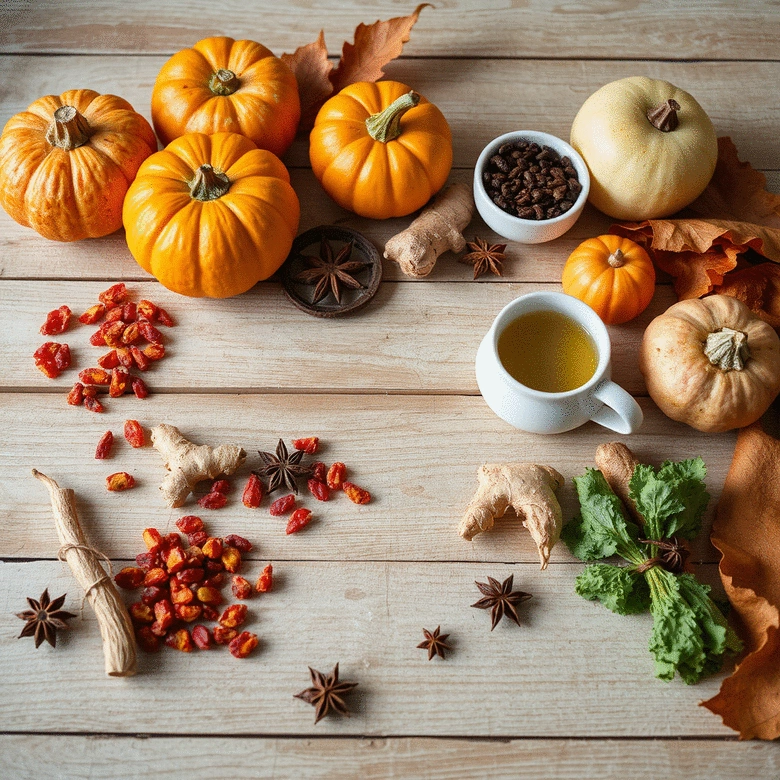
Autumn Health Foods from TCM
As autumn paints the landscape with vibrant colors, it also invites us to reflect on our health and well-being. The principles of Traditional Chinese Medicine (TCM) offer a profound understanding of how seasonal changes affect our bodies and minds. Embracing the wisdom of TCM can empower us to nurture our health as we transition into this cozy season.
What You Will Learn
- Autumn resonates with the Metal element in TCM, emphasizing the importance of caring for our lungs and large intestines during this season.
- Seasonal eating is vital; it encourages us to choose foods that align with autumn’s characteristics, enhancing our energy and resilience.
- Understanding your body type is essential in TCM; it allows for personalized nutrition that meets your unique health needs.
- Recognizing signs of yin and yang imbalance can guide your dietary choices, promoting greater harmony and health.
- Visual aids like infographics can enhance the understanding of TCM principles, making complex concepts more accessible.
- Addressing common misconceptions about TCM can bridge the gap between traditional and modern nutritional practices, fostering holistic well-being.
- Embracing seasonal foods and TCM recipes can enhance your health journey and encourage a deeper connection with nature.
Core Principles of Seasonal Eating in TCM
Understanding how to align our diets with the seasons can enhance our health and vitality. Below are key principles to consider for autumn. For more insights into traditional practices, consider exploring Traditional Chinese Medicine tips.
Balance
Each season brings different energies; autumn is about grounding and reflection.
Adaptation
Adjust your diet to incorporate foods that align with the season's characteristics.
Connection
Build a relationship with local produce that thrives during autumn, like squash and apples.
Understanding Autumn Health Through TCM Principles
As the leaves begin to change and the air turns crisp, have you ever considered how these seasonal shifts impact your health? In the realm of Traditional Chinese Medicine (TCM), autumn is a time of reflection and nurturing. It invites us to align our practices with the natural rhythms of the environment, helping to cultivate balance and wellness. Here at Meridian Path Insights, we believe this is a powerful opportunity to embrace seasonal changes through mindful eating and living!
TCM emphasizes the connection between our bodies and the seasons. Each season affects our physical and emotional health. By tuning into the essence of autumn, we can make adjustments in our diets and lifestyles that help us thrive. For instance, autumn relates to the Metal element, which governs our lungs and large intestines. This insight prompts us to consider how we can care for these vital organs during the cooler months.
The Essence of TCM and Seasonal Eating
In TCM, the concept of Qi (pronounced “chee”) or vital energy is central to our well-being. As the seasons change, so does our Qi, which can influence our health and vitality. Autumn is a time to focus on nourishment that helps us store energy and support our lungs as they prepare for the colder months. By embracing seasonal eating, we can enhance our Qi flow and promote resilience! This holistic approach is key to finding balance in Qi flow.
Here are some core principles of seasonal eating in TCM:
- Balance: Each season brings different energies; autumn is about grounding and reflection.
- Adaptation: Adjust your diet to incorporate foods that align with the season's characteristics.
- Connection: Build a relationship with local produce that thrives during autumn, like squash and apples.
The Role of the Metal Element in Autumn Health
As we delve deeper into autumn, the Metal element plays a significant role in maintaining our health. It is linked to our lungs and large intestines, which are vital for respiration and elimination. When we think about our respiratory health during this season, it’s essential to consider how we can support these organs through our diet.
Here are some key aspects of the Metal element's influence:
- Lungs: Responsible for the intake of fresh Qi, they thrive on moisture and warmth.
- Large Intestine: Key for digestion and elimination, needing support to adapt to the drier air of autumn.
- Emotional Health: The Metal element also relates to feelings of grief and letting go, making self-care crucial!
By embracing these TCM insights, we can nurture our bodies and minds as we transition into the cozy embrace of autumn. So, let’s prepare to enjoy the nourishing foods that will enhance our health during this beautiful season!
Pro Tip
As you explore autumn's nourishing offerings, consider incorporating warming spices like cinnamon and ginger into your meals. These not only enhance flavor but also support digestive health and boost your immune system, essential for the cooler months ahead!
Understanding the Importance of Personalization in TCM
When it comes to health and wellness, one size does not fit all! In Traditional Chinese Medicine (TCM), we emphasize the significance of personalized nutrition based on individual body types and unique conditions. This approach acknowledges that everyone has different needs, and understanding your own body can lead to a more effective path toward balance and vitality.
To implement personalized nutrition, consider your body type, lifestyle, and any specific health concerns. For example, a person with a yang deficiency may benefit from warming foods, while someone with excess heat might thrive on cooling options. By tuning into your body's signals, you can create a nourishing plan that truly supports your wellness journey.
Body Types and Dietary Considerations
In TCM, we categorize body types into a few distinct categories, each requiring different dietary considerations. Recognizing your body type can empower you to choose the most beneficial foods. Here are a few common body types and their dietary needs:
- Yang Deficient: Needs warming foods like ginger and lamb.
- Yin Deficient: Benefits from cooling foods such as watermelon and cucumber.
- Qi Deficient: Requires energizing foods like whole grains and nuts.
- Phlegm-Damp: Should focus on light foods like vegetables and avoid dairy.
By understanding where you fall within these categories, you can thoughtfully select foods that enhance your well-being. As an advocate for holistic health at Meridian Path Insights, I've seen firsthand how this tailored approach resonates with individuals in our community! For deeper insights, you can explore more about the Five Elements in TCM.
Identifying Contraindications: Balancing Yin and Yang
A key principle in TCM is maintaining balance between yin and yang. Recognizing signs of excess yin or yang is crucial for guiding dietary choices. Understanding these imbalances can help you navigate what your body truly needs!
- Excess Yin Signs: Cold extremities, fatigue, and frequent urination may indicate a need for warming foods.
- Excess Yang Signs: Symptoms like irritability, insomnia, and a red tongue suggest a cooling approach with foods such as leafy greens and fruits.
- Balancing Tips: Incorporate foods that promote harmony, such as soups that blend warming and cooling elements.
By becoming attuned to these signs, you can make more informed dietary choices that promote balance. It’s truly remarkable how simple shifts can lead to profound improvements in health and vitality!
Enhancing Engagement with Visuals and Resources
As we explore the transformative power of TCM, it’s essential to make the information accessible and engaging. One effective way to do this is through the use of visuals! Infographics can simplify complex concepts, making it easier to understand the connections between foods and TCM elements.
At Meridian Path Insights, I often think about how visuals can enrich our learning experience. By presenting TCM principles in a visually appealing manner, we invite more individuals into the conversation about holistic health!
Utilizing Infographics for Food and Element Maps
Infographics can serve as powerful tools for illustrating the relationships between specific foods and the five elements in TCM. Here are some ideas for creating engaging visuals:
- Food Element Map: Show which foods correspond to each of the five elements (Wood, Fire, Earth, Metal, Water).
- Seasonal Eating Guide: Create a chart that highlights seasonal foods and their health benefits.
- Body Type Nutrition Chart: Illustrate the dietary needs of different body types for easy reference.
By leveraging these resources, we can enhance our understanding and encourage everyone to embrace TCM principles in their daily lives!
Addressing Common Questions: TCM and Modern Nutrition
In the spirit of fostering community wellness, it’s essential to address common questions surrounding TCM practices and their place in modern nutrition. By providing clear, concise answers, we can empower individuals to explore the benefits of traditional approaches!
- What is Qi? Qi is the vital energy that flows through our bodies; maintaining its balance is key to health.
- Can TCM coexist with Western medicine? Absolutely! TCM can complement Western practices for a more holistic approach to health.
- How can I start incorporating TCM into my diet? Begin by identifying your body type and experimenting with seasonal foods that align with your needs!
Encouraging open dialogues about these topics not only demystifies TCM but also bridges the gap between traditional wisdom and contemporary practices. Let’s continue to learn and grow together!
Conclusion and Next Steps for Autumn Wellness
As we embrace the beauty of autumn, it’s a wonderful time to reflect on how personalized nutrition can enhance our well-being. By recognizing our unique bodies and their needs, we lay the foundation for a healthier season ahead!
At Meridian Path Insights, I invite you to explore the richness of seasonal eating, incorporating nourishing foods that align with TCM principles. Together, we can cultivate a community of health and vitality!
Embracing Seasonal Eating for Optimal Health
In summary, the journey to health is deeply personal. By nourishing ourselves with foods that resonate with our unique body types and the changing seasons, we can truly thrive. Let this autumn be a season of growth, balance, and holistic wellness! For more on balancing your energy throughout the year, refer to our article on balancing energy through seasons.
Call to Action: Experiment with TCM Recipes and Share Experiences
Are you ready to dive into the world of TCM? I encourage you to try the recipes shared in this article and experiment with seasonal foods. Share your experiences with friends and family! Let’s create a tapestry of health woven through our collective journeys. You can also discover more about seasonal wellness with Chinese medicine.
Recap of Key Points
Here is a quick recap of the important points discussed in the article:
- Seasonal Awareness: Autumn is a time for reflection and nurturing, emphasizing the importance of aligning our health practices with nature's rhythms.
- Focus on Qi: Autumn is ideal for nourishing Qi to support lung health and energy storage as the colder months approach.
- Personalized Nutrition: Understanding your body type (e.g., Yang Deficient, Yin Deficient) is key to selecting appropriate foods for optimal health.
- Balancing Yin and Yang: Recognizing signs of imbalances helps guide dietary choices and promotes overall wellness.
- Utilizing Visuals: Infographics can simplify TCM concepts, making it easier to understand the relationship between food and health.
- Community Engagement: Open discussions about TCM and its integration with modern nutrition can empower individuals on their health journeys.
Frequently Asked Questions (FAQs)
In Traditional Chinese Medicine (TCM), autumn resonates with the Metal element, which governs the lungs and large intestines. During this season, it's crucial to care for these organs through diet and lifestyle to support respiration, elimination, and overall well-being as we transition to colder months.
Seasonal eating in TCM encourages aligning your diet with the natural rhythms of the environment. In autumn, this means choosing foods that support the Metal element (lungs and large intestines), enhance your Qi flow, and provide energy storage for the colder months, promoting resilience and vitality.
TCM emphasizes that "one size does not fit all" when it comes to health. Personalized nutrition considers your individual body type (e.g., Yang Deficient, Yin Deficient), lifestyle, and health concerns to recommend the most beneficial foods, ensuring a more effective path toward balance and vitality.
Yin and yang are fundamental principles in TCM representing opposing but complementary forces. Imbalances, such as excess yin (coldness, fatigue) or excess yang (irritability, insomnia), guide dietary choices. For example, excess yin might call for warming foods, while excess yang suggests cooling foods to restore harmony.
Absolutely! TCM can coexist and complement Western medical practices, offering a more holistic approach to health. It emphasizes lifestyle and dietary adjustments that can support overall well-being, often working in tandem with conventional treatments for comprehensive care.