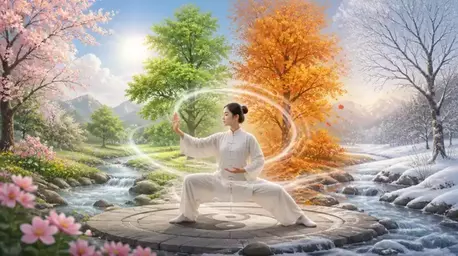
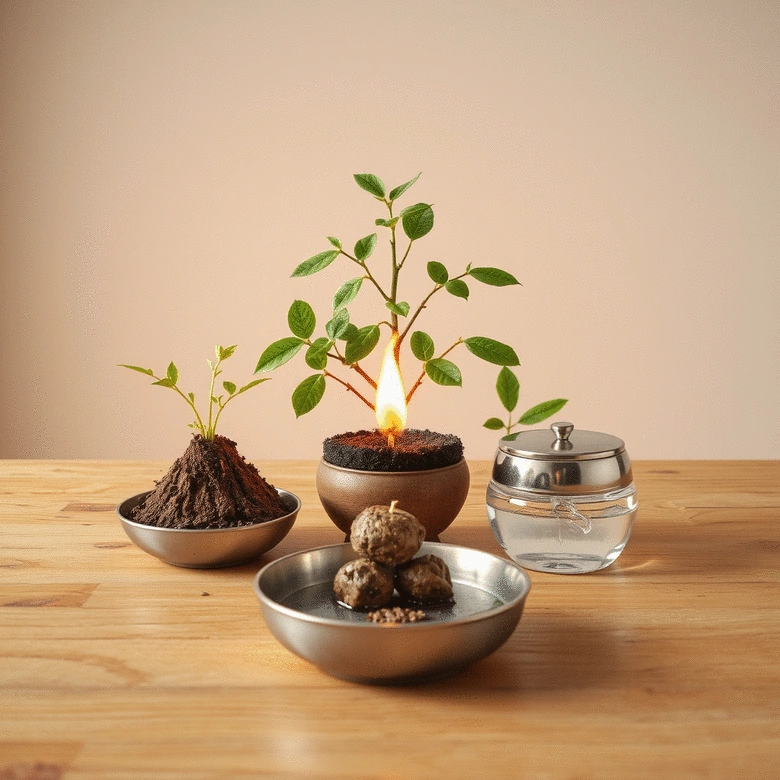
Wood
- Organ: Liver
- Emotion: Anger
- Season: Spring
Have you ever pondered the profound connection between nature's elements and your well-being? Traditional Chinese Medicine (TCM) offers a unique perspective through its framework of the Five Elements—Wood, Fire, Earth, Metal, and Water. Understanding these elements can help you navigate your physical and emotional health with greater awareness and balance.
Each of the Five Elements is linked to specific organs, emotions, and seasons. Understanding these connections can enhance our overall wellness. For a more in-depth look at how TCM can benefit your well-being, explore exploring Traditional Chinese Medicine tips.
Have you ever wondered how nature's rhythms connect with our health? In Traditional Chinese Medicine (TCM), the concept of the Five Elements—Wood, Fire, Earth, Metal, and Water—offers fascinating insights into this relationship. Each element represents different aspects of our physical and emotional health, guiding us toward greater balance and well-being.
At its core, TCM emphasizes harmony between the body and nature. The Five Elements serve as a framework for understanding how our bodies interact with the environment. Each element embodies unique qualities and associations, making it essential for anyone interested in holistic health to grasp their significance!
Let’s break down these elements further:
Each element interacts with others in dynamic ways, creating a rich tapestry of connections that influences our health and emotions. By recognizing these elements, we can learn to navigate our well-being more effectively.
The Five Elements are crucial in TCM as they illustrate how different body systems interact. By understanding these connections, we can identify imbalances and take steps toward healing. For instance, if you're feeling a lack of energy, exploring your connection to the Wood element may reveal areas for improvement! For more insights into maintaining energetic balance, consider reading about finding balance in Qi flow.
As I’ve seen in my practice at Meridian Path Insights, aligning with these elements can lead to profound changes in one’s health journey. It’s about more than just physical wellness; it’s a holistic approach that encompasses the mind and spirit as well.
At the heart of TCM is the philosophy of Yin and Yang, representing balance and harmony. Just as the Five Elements interact, so do these opposing forces. When Yin (the cool, passive energy) and Yang (the warm, active energy) are balanced, our Qi (or life force) flows freely, promoting health.
Incorporating this philosophy into our lives can help us recognize where we might be out of balance. For example, if you find yourself feeling anxious or restless, you might check in with your Yin energy and consider practices that encourage rest and rejuvenation.
Understanding the associations of the Five Elements further enriches our insights into TCM. Each element not only corresponds to physical organs but also ties into our emotions and the changing seasons. This interconnectedness is a beautiful reminder of how we are part of a larger ecosystem!
Each of the Five Elements corresponds to specific organs, which can help us pinpoint health issues:
By tuning into these associations, we can gain valuable insights into our health and emotions. If you notice stress or discomfort in a specific organ, it might be time to explore how that element can be supported.
The emotional landscape is also closely tied to the Five Elements! For example:
Recognizing these connections can provide clarity in understanding why certain emotions arise during specific seasons of our lives. As we learn about ourselves, we can cultivate practices that nurture balance and harmony.
Each element resonates with a season, allowing us to align our lifestyles with nature’s rhythms: Balancing energy through seasons can offer further perspectives on this alignment.
By embracing these seasonal changes, we can harmonize our bodies and minds with the natural world. This alignment not only enhances our physical health but also deepens our emotional resilience.
The interplay of the Five Elements further extends to the associated organ systems. Learning how each organ functions within its elemental framework can lead to a more holistic understanding of health. For instance:
These connections enable us to approach health care with a broader perspective. By incorporating TCM principles into our lives, we can cultivate not just physical wellness, but a vibrant, balanced life.
Did you know that each season not only corresponds to a specific element but also influences our emotional states and health? For instance, during Spring, which aligns with the Wood element, it’s the perfect time to focus on growth and renewal. Consider incorporating practices that promote vitality, such as outdoor activities and detoxifying foods, to harness the energy of the season!
The Five Elements are Wood, Fire, Earth, Metal, and Water. They represent different aspects of physical and emotional health and are a foundational framework in TCM for understanding the body's interaction with nature.
Each element corresponds to particular organs: Wood (Liver), Fire (Heart), Earth (Spleen), Metal (Lungs), and Water (Kidneys). Understanding these links can help identify health issues and support organ function.
The emotions linked to the elements are: Wood (Anger), Fire (Joy), Earth (Worry), Metal (Grief), and Water (Fear). Recognizing these connections can help understand and manage emotional states.
Each element has a seasonal association: Wood (Spring), Fire (Summer), Earth (Late Summer), Metal (Autumn), and Water (Winter). Aligning lifestyle with these seasonal energies can enhance physical and emotional well-being.
You can apply this knowledge by self-assessing your dominant element, incorporating dietary choices, engaging in activities, and practicing mindfulness techniques that align with your element to promote balance and prevent imbalances.
As we wrap up our exploration of the Five Elements in Traditional Chinese Medicine (TCM), it’s essential to recognize how these foundational concepts can truly enhance our personal wellness. By understanding these elements, we can gain insights into our own bodies and emotions, allowing us to live more harmoniously with nature. This journey towards balance is not just theoretical; it’s a practical guide to finding our path to health and vitality.
At Meridian Path Insights, I often encourage individuals to take a moment for self-reflection. Understanding which element resonates with you is the first step towards embracing the wisdom that TCM offers. This knowledge can empower you to make informed choices in your daily life, cultivating a lifestyle that aligns with your unique energy.
To harness the benefits of the Five Elements, we can start by utilizing some simple self-assessment tools. Discovering your primary TCM element can provide valuable insight into your health and emotional patterns. Here are a few ways to assess your personal element:
Once you have identified your element, the next step is to create a personalized lifestyle plan. Here are some key aspects to include:
Ultimately, nutrition and preventive health play a vital role in maintaining balance. By choosing foods that support your element, you can enhance your overall wellness and prevent potential imbalances. For personalized guidance on your wellness journey, consider visiting a trusted acupuncture clinic.
As you delve deeper into your understanding of the Five Elements, there are fantastic resources available to guide you. Consider downloading checklists that outline dietary and exercise plans tailored to each element. These practical tools can help you stay organized and focused on your wellness journey!
Additionally, interactive quizzes can be a fun way to find your TCM element. Engaging with these resources can deepen your connection to TCM principles and enhance your health journey.
To visualize the concepts of the Five Elements, consider using infographics that break down their relationships and associations. These visual aids can make it easier to grasp complex ideas, providing a clearer understanding of how each element influences various aspects of our lives. For more on seasonal wellness, check out seasonal wellness with Chinese medicine.
In conclusion, integrating the Five Elements into everyday life is a wonderful way to foster balance and vitality. As you explore these principles further, remember that the journey is as important as the destination. Embrace the wisdom of TCM and let it guide you towards a more harmonious existence!
Here is a quick recap of the important points discussed in the article:
Lydia Chen is a dedicated advocate for holistic health, specializing in acupuncture and Traditional Chinese Medicine (TCM). With years of experience in guiding individuals toward balanced living, she shares valuable insights and practical tips to empower your health journey. Lydia's mission is to inspire the communities in and around Frome, Shepton Mallet, Radstock, Midsomer Norton, Trowbridge, Westbury, and Warminster to embrace TCM’s transformative qualities and cultivate a harmonious lifestyle.
At Meridian Path Insights, we are dedicated to exploring the transformative power of acupuncture and Traditional Chinese Medicine. Our mission is to empower you to achieve holistic well-being and inspire balanced living within our vibrant communities.
123 Wellness Lane, Frome