
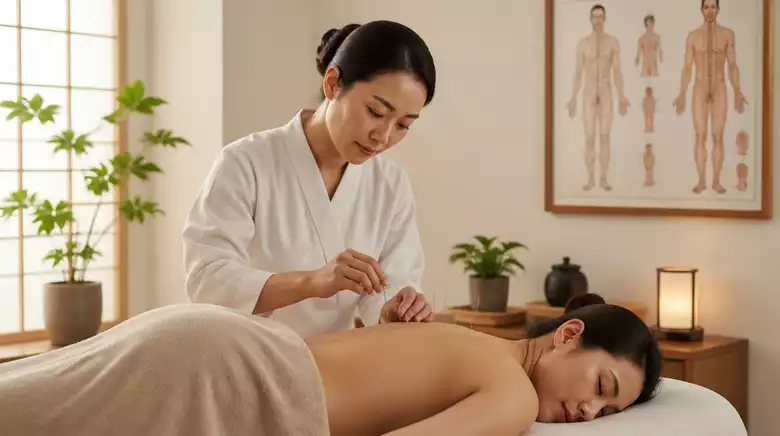
Traditional Acupuncture
Utilizes fine needles to stimulate specific points, often effective for chronic back pain and overall balance.
Have you ever considered how ancient practices can blend seamlessly with modern health needs? Acupuncture, a holistic therapy that dates back centuries, may hold the key to effective pain management for many chronic conditions. As we delve into its techniques and benefits, prepare to discover how this approach can transform your wellness journey.
Various acupuncture methods can significantly impact pain relief, tailored to specific needs and conditions. Below is a comparative overview of techniques and their effectiveness. To learn more about how Traditional Chinese Medicine plays a role in overall wellness, read our article on exploring traditional Chinese medicine tips.
Utilizes fine needles to stimulate specific points, often effective for chronic back pain and overall balance.
Involves electrical stimulation of acupuncture points, particularly useful for sciatic nerve pain and more intense discomfort.
Targets muscle knots and spasms, providing relief from tension headaches and localized pain.
Focuses on ear points, effective for overall pain relief and stress management.
Targets muscular pain through direct needle insertion, especially helpful for sports injuries.
Promotes blood flow and alleviates muscle tension, often used alongside acupuncture techniques.
Involves the burning of mugwort on acupuncture points, enhancing circulation and relieving pain.
Have you ever wondered how a few tiny needles can make such a big difference in pain management? Acupuncture is a holistic approach that has been used for centuries to promote healing and balance in the body. By stimulating specific points, or acupoints, on the body, acupuncture encourages the flow of energy, known as Qi, and helps restore harmony, leading to effective pain relief.
At Meridian Path Insights, I often see firsthand how acupuncture can alleviate discomfort and enhance well-being. This practice is not just about soreness; it’s a way to tap into your body's own healing potential. Imagine a serene environment, where your body can relax and heal itself as the needles work their magic! For additional information on how to maintain balance, explore our guide on finding balance in Qi flow.
Acupuncture has been shown to be effective for a variety of chronic pain conditions. As I’ve worked with clients in our local communities, I've noticed that many people find relief in the following areas:
These conditions can be debilitating, impacting daily life. However, with the right acupuncture techniques, many individuals experience significant improvement. It's truly inspiring to witness how this ancient practice provides a beacon of hope for those struggling with chronic pain.
Curious about how acupuncture actually works? It involves a complex interplay of endogenous opioids and neurotransmitters that help reduce pain perception. When the needles are inserted, they stimulate the release of these natural pain-relieving chemicals, making the body more resilient against discomfort.
At Meridian Path Insights, I often explain this process to clients, emphasizing how it aligns with the principles of Traditional Chinese Medicine. By balancing the body’s energy pathways, we can address the root cause of pain, not just the symptoms. It’s a holistic approach to healing! If you're looking for a trusted clinic to begin your journey, consider visiting a trusted acupuncture clinic.
There are various acupuncture methods, each tailored for specific needs. Some of the key techniques that I find particularly effective for pain management include:
Each of these approaches can lead to different outcomes, depending on the individual’s condition and health goals. It's essential to consult with a professional, like myself at Meridian Path Insights, to determine which technique may best suit your unique needs.
Selecting the most suitable acupuncture technique is crucial for achieving optimal results in pain management. For instance, traditional acupuncture may work wonders for chronic back pain, while electroacupuncture could be more effective for sciatic nerve issues. Each condition requires a tailored approach!
During my consultations, I take the time to understand each client's pain history and lifestyle. This personalized strategy ensures that we choose the best technique together. Remember, your journey toward relief and balance is uniquely yours, and I’m here to help guide you along the way!
When considering acupuncture for pain management, it’s essential to maintain open communication with your practitioner. Share your complete health history and any specific concerns you may have. This transparency helps to tailor the acupuncture technique to your individual needs, ensuring a more effective treatment experience.
As we explore the journey of pain management through acupuncture, it's natural to have questions. Many people wonder about the specific techniques and points that can bring relief, as well as who stands to gain the most from these treatments. At Meridian Path Insights, I believe that understanding these elements can empower you to make informed decisions about your wellness journey!
Acupuncture operates on the principle of *meridians*, which are pathways through which energy, or Qi, flows in our bodies. Identifying the best acupuncture points can significantly enhance pain relief based on your specific condition. Here are some of the most effective points tailored for various pain types:
Each point corresponds to different organs and systems in your body, playing a vital role in restoring balance and alleviating pain. By focusing on these specific acupoints, we can open pathways to healing and enhance your overall well-being.
Acupuncture can be a wonderful addition for many individuals seeking pain relief. However, certain groups may find it especially beneficial. Here’s a brief profile of those who can gain the most from acupuncture treatments:
If you see yourself reflected in any of these descriptions, acupuncture might be the right path for you. As we explore this ancient practice at Meridian Path Insights, I invite you to consider how it might enhance your own journey toward balanced living! For those interested in understanding how acupuncture can help with emotional balance, read our article on acupuncture for emotional balance.
In recent years, research has increasingly highlighted the efficacy of acupuncture in managing chronic pain. Numerous clinical studies demonstrate its ability to reduce discomfort and improve quality of life for many individuals. This evidence backs up what many of us have experienced firsthand in our practice at Meridian Path Insights. For those in Radstock seeking to understand how Qi flow can improve their holistic health, consider reading our article on Qi Flow and Wellbeing in Radstock.
As you navigate your options for pain relief, I encourage you to consider incorporating acupuncture into your approach. This holistic practice has the potential to not only alleviate pain but also enhance your overall well-being. Remember, at the heart of health lies the understanding of our bodies and the choices we make. Let's take this journey together toward a more harmonious and vibrant life!
Here is a quick recap of the important points discussed in the article:
Lydia Chen is a dedicated advocate for holistic health, specializing in acupuncture and Traditional Chinese Medicine (TCM). With years of experience in guiding individuals toward balanced living, she shares valuable insights and practical tips to empower your health journey. Lydia's mission is to inspire the communities in and around Frome, Shepton Mallet, Radstock, Midsomer Norton, Trowbridge, Westbury, and Warminster to embrace TCM’s transformative qualities and cultivate a harmonious lifestyle.
At Meridian Path Insights, we are dedicated to exploring the transformative power of acupuncture and Traditional Chinese Medicine. Our mission is to empower you to achieve holistic well-being and inspire balanced living within our vibrant communities.
123 Wellness Lane, Frome